Looking Forward to Working with You: Meaning & Professional Use
A closing line can influence how a professional email feels to the reader. Many people struggle to choose wording that sounds warm without seeming too casual, or confident without sounding too certain. The challenge often comes down to timing, audience, and the relationship itself. Knowing how a familiar phrase lands can help you close messages more effectively.
Key Takeaways
- “Looking forward to working with you” expresses positive anticipation of future collaboration and signals professionalism and goodwill.
- It is common in formal and semi-formal professional emails, especially when starting or confirming a working relationship with a colleague, client, manager, or recruiter.
- Tone and context matter: if used too early, especially in a very formal first contact, it can sound presumptive or slightly too warm.
Meaning and Usage in Professional Contexts
Definition and Intent
The phrase “looking forward to working with you” means that you expect a future professional interaction and feel positive about it. It communicates enthusiasm, readiness, and a cooperative attitude. In business email, it often works as a courteous closing that helps build rapport while keeping the tone respectful and professional.
It does more than fill space at the end of a message. It tells the reader that you value the upcoming relationship and expect productive collaboration. Like other common expressions of goodwill, such as safe travels meaning in polite correspondence, its effect depends on context as much as wording.
Appropriate Situations
- After accepting a new role and writing to your manager or team
- When replying to a client after a project has been confirmed
- At the end of an onboarding or introduction email to a new colleague
- After a successful interview, if the next step clearly involves joining or collaborating
- When confirming a partnership, contract, or shared assignment
- In semi-formal business email where a working relationship already exists or has been agreed
Tone and Formality
This phrase fits best in formal and semi-formal settings because it sounds polite, positive, and cooperative without being overly emotional. Still, it is not perfect for every situation. In a very formal first contact, or before the other person has clearly agreed to work with you, it can sound slightly presumptive, as though the arrangement is already settled.
- If you are emailing a recruiter after an initial interview, the phrase works better when an offer is in progress or the next steps are clear.
- If the relationship is uncertain, a more neutral line is safer.
Usage Tips
- Use it when collaboration is expected, not merely hoped for.
- Match the phrase to the recipient: it works well with colleagues, clients, managers, and new team members.
- Keep the rest of the email consistent with a formal tone or semi-formal tone.
- Avoid pairing it with overly casual wording, emojis, or chatty sign-offs.
- If the relationship is new, consider softening it with context, such as mentioning the project or next step.
- Place it near the end of the email as part of your closing sentence or sign-off.
Examples in Emails
- New job email: “Thank you for the warm welcome. I am looking forward to working with you and the rest of the team.”
- Client confirmation: “We appreciate the opportunity and are looking forward to working with you on this project.”
- Manager introduction: “Please let me know if there is anything you would like me to review before Monday. I am looking forward to working with you.”
- Team collaboration: “It was great meeting everyone today, and I am looking forward to working with you all.”
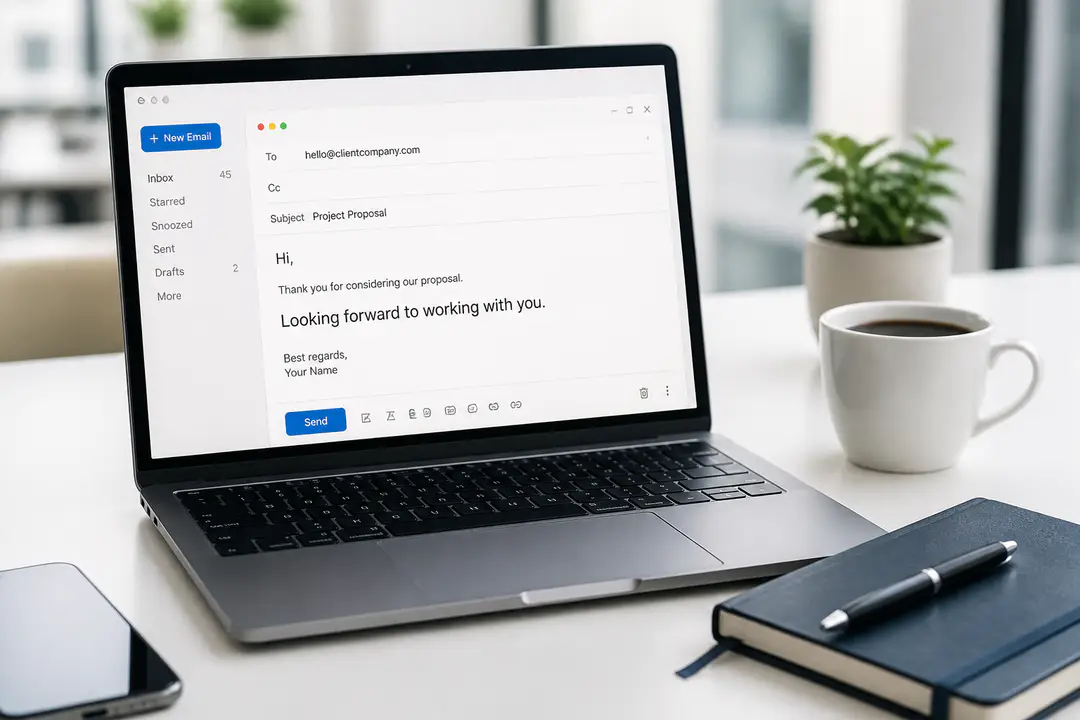
- Email closing: “Thank you again for your time. Looking forward to working with you. Best regards,”
If you want the phrase to sound more natural, tie it to a specific task or timeline. A sentence like “I am looking forward to working with you on the launch materials next week” sounds more grounded and less formulaic. That kind of precision matters in the same way that small wording choices affect meaning in usage questions like what does ONB mean across different contexts.
Alternatives to the Phrase
| Alternative | Formality | Best Context | Notes |
|---|---|---|---|
| I look forward to collaborating with you | Formal | Project work, teamwork, cross-functional roles | Slightly more specific and polished |
| I look forward to our collaboration | Formal | Client or partner communication | Good when referring to a defined professional relationship |
| I look forward to contributing to the team | Formal | New role or onboarding emails | Useful when writing to a manager or department |
| I appreciate the opportunity to work together | Formal | New client or business contact | More measured and less presumptive |
| I am pleased to be working with you | Semi-formal | Once collaboration has already begun | Warmer in tone |
| I look forward to speaking further | Formal | Early-stage conversations, recruiting, proposals | Best when work is not yet confirmed |
The best alternative depends on how settled the relationship is. If the work has not been finalized, choose wording that reflects discussion rather than assumption. If the collaboration is confirmed, a direct phrase about working together is both courteous and efficient.
Professional Email Etiquette Tips
A good closing should match the stage of the relationship, the recipient’s role, and the purpose of the email. Keep your sign-off respectful, concise, and consistent with the rest of the message.
If you are writing to someone for the first time, avoid sounding too familiar or too certain unless the partnership is already confirmed. If your email includes a request, deadline, or next step, mention that first and then use the closing phrase.
In polished business email, clarity matters just as much as politeness. Subtle differences in expression can shape tone, much like the distinction behind safe travels meaning in courteous written English.
Everyday tone matters in spoken small talk too — for example, knowing how to answer how’s your day going helps you sound natural in casual settings, just as closing lines shape professional messages.
FAQs
Is “looking forward to working with you” professional?
Yes. It is widely accepted in professional communication and works well in formal and semi-formal business email when future collaboration is expected.
Can this phrase sound too forward?
Yes. In a very formal first contact or before any agreement is in place, it can sound presumptive. In that case, use a softer alternative such as “I look forward to speaking further.”
Should I use “I am” or omit it?
Both are correct. “I am looking forward to working with you” sounds slightly fuller, while “Looking forward to working with you” feels a bit more concise and conversational.
Can I use it with a recruiter?
Yes, but only if the context supports it. If you are still in the early interview stage, use a more neutral phrase unless a role or next collaboration step has been clearly discussed.
Conclusion
“Looking forward to working with you” is most effective when you use it thoughtfully and match it to the situation, timing, and audience. When it fits the context, it conveys enthusiasm and professionalism at the same time. Adapting the phrase to the relationship and purpose of the email helps you leave a confident, courteous final impression.