
Grammar
Master English grammar with easy-to-understand lessons, rules, examples, and tips. Learn correct sentence structure, punctuation, tenses, parts of speech, and common grammar mistakes to improve your writing and communication.

Successfully or Succesfully: Which Is Correct?
One missing letter can make an otherwise polished sentence look careless. If you’ve ever hesitated between successfully or succesfully, you’re dealing with a very common English spelling mistake. The correct spelling is successfully. The incorrect form succesfully is missing one s in the middle of the word. In this guide, we’ll look at the correct […]

Nineth or Ninth: Which Spelling Is Correct?
If you’ve ever paused while writing “nineth or ninth,” you’re definitely not the only one. The word looks like it should follow a simple pattern: nine → nineth. But English has other plans. The correct spelling is ninth. “Nineth” is a common spelling mistake, even though it may seem logical at first glance. In this […]

Other Ways to Say Have a Good Day: 25+ Alternatives
Sometimes, “have a good day” feels a little too ordinary. It’s perfectly polite, but when you use the same phrase repeatedly, you may want something warmer, more personal, or simply different. Fortunately, there are plenty of other ways to say have a good day, whether you’re writing a professional email, texting a friend, talking to […]

Ofcourse or Of Course: Which Is Correct?
A tiny space can completely change whether a word or phrase is considered correct. If you’ve ever wondered “ofcourse or of course?”, you’re dealing with a very common English spelling mistake. The correct spelling is of course, written as two separate words. “Ofcourse” is a common misspelling and is not the standard form used in […]

Cacoon or Cocoon: Which Spelling Is Correct?
A tiny spelling mistake can make a familiar word suddenly look unfamiliar. If you’ve ever wondered “cacoon or cocoon?”, you’re not alone. The word is often misspelled because its pronunciation doesn’t make the correct spelling immediately obvious. The correct spelling is cocoon. It refers to a protective covering made by certain insects, especially moth caterpillars, […]

Puddy or Putty: Which Spelling Is Correct?
Have you ever written a word and suddenly wondered, “Wait, is that actually how it’s spelled?” Puddy or putty is one of those confusing pairs. They sound similar in casual speech, but they don’t have the same status in standard English. The correct spelling for the common material used to fill cracks, repair surfaces, or […]

Shakey or Shaky: Which Spelling Is Correct?
One missing letter can turn a perfectly ordinary word into a spelling mistake. If you’ve ever wondered about shakey or shaky, you’re dealing with a common English spelling question. The correct standard spelling is shaky. Shakey is generally considered a misspelling when you mean something that trembles, lacks stability, or makes you feel uncertain. Once […]
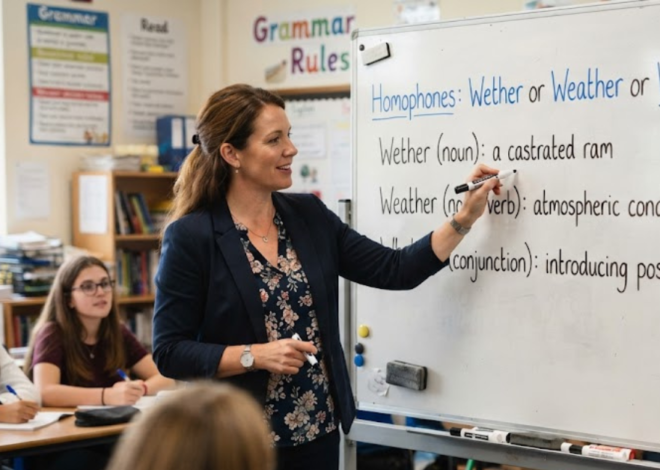
Wether or Weather or Whether: What’s the Difference?
Have you ever typed wether when you meant weather or whether? You’re not alone. These three words sound almost identical, but their meanings are completely different. Understanding Wether or Weather or Whether becomes much easier once you know what each word does. Weather relates to conditions in the atmosphere, whether introduces alternatives or uncertainty, and […]

Chubby vs Fat: What’s the Difference?
A single word can change how a description of someone’s body sounds. That’s why the difference between chubby vs fat is worth understanding, especially because these words can carry different meanings depending on context, tone, and personal preference. In everyday conversation, chubby usually suggests a softer or somewhat fuller body, while fat is a broader […]

What Does HN Mean in Text? Meaning and Slang
Two letters can be surprisingly confusing when they show up in a text message. If someone sends you “HN” and you’re wondering, “What does HN mean in text?”, the answer depends on the conversation. In casual English texting, HN commonly means “hell no,” a strong and informal way to say “absolutely not” or “no way.” […]