
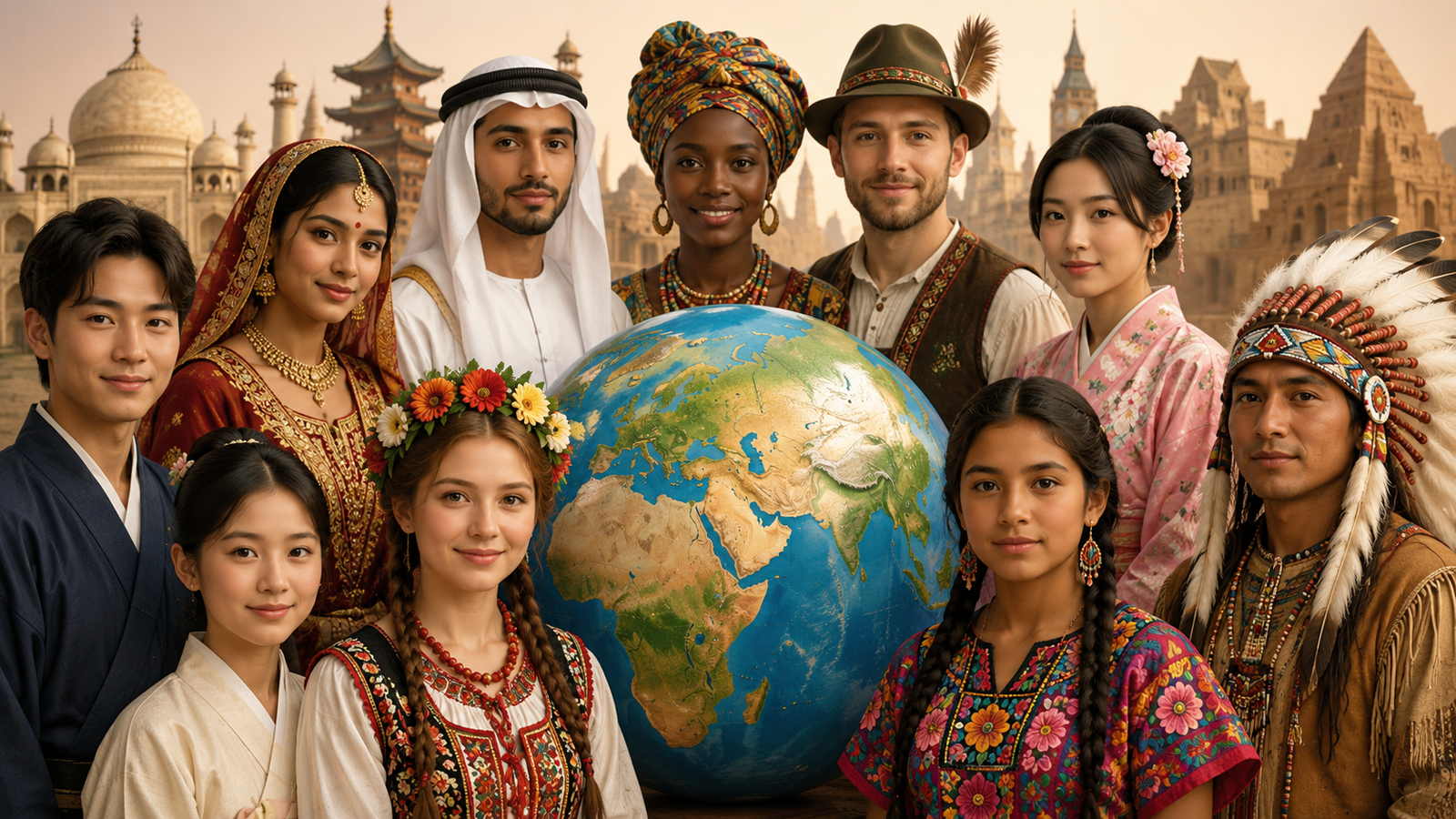
Exploring Beautiful Names From Different Cultures Worldwide
Every culture has its own naming traditions, and these traditions can reveal fascinating stories about people and communities. Some names are connected to nature, while others come from religion, ancient languages, royalty, or important historical figures. Exploring names from different cultures gives us a small but meaningful window into the world.
Whether you’re searching for a unique name, learning about another culture, or simply curious about beautiful words, there are countless choices to discover. For example, Japanese naming traditions include many elegant options, including Japanese names that start with M, which can have meanings connected to nature, beauty, strength, and character.
Why Names Matter Across Cultures
Names can have a powerful role in shaping identity. In many societies, choosing a name is an important family event rather than a simple decision made before a baby’s birth.
Some cultures name children after grandparents or other relatives. Others choose names based on the circumstances surrounding a child’s birth. A name might represent a parent’s dream, a religious belief, or an admired personality trait.
Names can also preserve language and history. Even when families move to another country, they may continue using traditional names to maintain a connection with their roots. This makes names an important part of cultural heritage.
At the same time, names change over time. A name that was popular hundreds of years ago may become rare, while another may gain popularity through music, movies, literature, or global travel.
Beautiful Names From Asian Cultures
Asia contains thousands of languages, ethnic groups, and naming traditions. As a result, Asian names offer remarkable variety in sound, meaning, and structure.
Japanese Names
Japanese names often have meanings connected to nature, seasons, beauty, virtues, and family hopes. Many Japanese given names can be written using kanji characters, and the chosen characters influence the meaning.
Names such as Sakura, meaning “cherry blossom,” have a strong connection with Japanese culture and nature. Haru can relate to spring, while Hana can mean flower. Other names may represent qualities such as kindness, wisdom, courage, or happiness.
Japanese names can also have different meanings depending on the kanji used. This gives parents considerable creative freedom when choosing a meaningful name.
Indian Names
India has an enormous variety of naming traditions because the country is home to many languages, religions, and regional cultures.
Names such as Aarav, Anaya, Diya, and Arjun are widely recognized examples of Indian names. Many names have roots in Sanskrit, Hindi, Tamil, Bengali, Punjabi, or other languages.
Religious traditions also influence naming practices. Hindu names may come from Sanskrit texts and deities, while Muslim Indian families often choose Arabic or Persian names. Sikh families may follow distinctive naming traditions connected to Sikh culture.
The meaning behind a name is often especially important. Parents may select a name that represents wisdom, devotion, beauty, strength, or prosperity.
Chinese Names
Chinese naming traditions often place the family name before the given name. The given name may consist of one or two characters, with each character carrying its own meaning.
Chinese names can express qualities such as peace, intelligence, beauty, strength, or prosperity. Some families also consider factors such as pronunciation, balance, and traditional beliefs when selecting a name.
Because Chinese characters can carry rich meanings, a short name may communicate a surprisingly detailed idea.
Beautiful Names From European Cultures
Europe has a long history of languages and civilizations, including Greek, Roman, Celtic, Germanic, Slavic, and Scandinavian traditions. Many modern names can be traced back to these ancient cultures.
Greek Names
Greek names often have connections to mythology, history, religion, and ancient Greek vocabulary. Names such as Sophia, Helena, Alexander, and Theodore have remained popular across many countries.
Sophia is associated with wisdom, while Alexander has traditionally been connected with the idea of defending or protecting people.
Greek mythology has also influenced naming trends. Names inspired by figures such as Athena, Apollo, and Iris continue to appear in modern naming discussions.
Scandinavian Names
Scandinavian countries have their own distinctive naming traditions. Names such as Freya, Astrid, Ingrid, Erik, and Leif are familiar examples.
Many traditional Scandinavian names have connections to Norse mythology, nature, strength, or old Germanic languages. Freya, for example, is linked with a famous goddess in Norse mythology.
These names often have a crisp and memorable sound, which may explain why some have become popular far beyond Northern Europe.
Celtic Names
Celtic-inspired names are especially popular among families interested in Irish, Scottish, or Welsh heritage.
Names such as Maeve, Niamh, Fiona, Cian, and Rowan have distinctive sounds and rich cultural backgrounds. Some are connected with old legends, while others have meanings associated with nature, warriors, beauty, or nobility.
Celtic names also demonstrate how pronunciation can change when names move between languages. A traditional spelling may look unfamiliar to English speakers, even though its pronunciation is well established within the original language.
Beautiful Names From African Cultures
Africa is home to an extraordinary number of cultures and languages. It is therefore impossible to describe African names as one single naming system.
West African Names
In several West African cultures, names can reflect circumstances surrounding birth, family expectations, religion, or the day a child was born.
Yoruba naming traditions, for example, include names with deep meanings and spiritual connections. Names such as Adebayo, meaning “the crown meets joy,” demonstrate how names can communicate family happiness and hope.
Other African naming traditions may connect names with virtues such as patience, courage, gratitude, peace, or strength.
East African Names
East African naming traditions are equally diverse. Swahili names may have Arabic, African, and Islamic influences because of centuries of cultural exchange along the East African coast.
Names such as Amani, meaning “peace,” and Zuri, meaning “beautiful” in Swahili, are appealing examples of names with positive meanings.
These names show how language can cross borders while still retaining strong cultural connections.
Beautiful Names From Middle Eastern Cultures
Middle Eastern names often have roots in Arabic, Persian, Hebrew, Turkish, and other regional languages.
Arabic Names
Arabic names are used across many countries and communities. Names such as Layla, Noor, Omar, Zayn, and Aisha are recognized internationally.
Noor means “light,” while Layla is traditionally associated with night. Names with simple meanings can carry strong emotional or poetic qualities.
Arabic naming traditions can also involve family names, patronymics, and names that indicate lineage. In some cultures, a person’s full name may reveal several generations of family history.
Persian Names
Persian names often have an elegant and poetic quality. Names such as Darya, meaning “sea,” and Roxana, associated with brightness or dawn, reflect the beauty of the Persian language.
Persian literature has also influenced naming traditions for centuries. Poets and literary figures have helped preserve many traditional names and introduced cultural meanings that remain relevant today.
Beautiful Names From Latin and Romance Cultures
Latin has influenced many modern European languages, including Spanish, Portuguese, French, Italian, and Romanian. Because of this historical influence, Latin-origin names appear across much of the world.
Latin-Origin Given Names
Names such as Julia, Lucia, Victor, Felix, and Clara have Latin roots and remain familiar in many countries.
Felix is associated with happiness or good fortune, while Clara can be connected with brightness or clarity. Victor traditionally relates to victory.
The continued popularity of these names shows how ancient languages can remain part of modern life. A name may survive for centuries while its pronunciation and popularity change with each generation.
Family names also provide an interesting connection to history. For those researching heritage or surname traditions, Latin last names can offer useful insight into how Roman and later Romance-language naming systems influenced family identities.
Beautiful Names Inspired by Nature
Nature has influenced naming traditions almost everywhere. Parents often choose names inspired by flowers, animals, stars, oceans, seasons, and natural landscapes.
Names such as Rose, Lily, Daisy, River, Willow, Luna, and Iris are examples of nature-inspired names familiar in English-speaking cultures.
Other cultures offer their own beautiful choices. Sakura connects with the cherry blossom in Japan, while Darya relates to the sea in Persian. Amani brings the idea of peace through Swahili.
Nature-based names often feel timeless because their inspiration remains familiar regardless of changing trends.
How Naming Traditions Are Changing
Globalization has made cultural exchange easier than ever. People now encounter names from different countries through travel, social media, television, books, music, and international communities.
As a result, parents sometimes choose names from cultures outside their own. This can create beautiful connections, but cultural understanding still matters. Before choosing a name from another tradition, it’s worth learning its correct pronunciation, meaning, history, and cultural significance.
Modern parents also increasingly look for names that work across multiple languages. A name that is easy to pronounce internationally can feel practical while still carrying a meaningful heritage.
Technology has changed naming research as well. Parents can now explore thousands of names, compare meanings, check pronunciations, and learn about cultural origins within minutes.
Tips for Choosing a Meaningful Cultural Name
Learn the Original Meaning
Don’t rely only on a name’s popular translation. Research its original language and cultural context to understand what it truly represents.
Check the Pronunciation
A beautiful name can lose some of its character when pronounced incorrectly. Listen to native speakers whenever possible.
Understand the Cultural Background
Learn whether the name has religious, historical, royal, or traditional significance before using it.
Think About Everyday Use
Consider how the name will sound in your own language and whether people will find it easy to pronounce and spell.
Choose Meaning Over Trends
Popular names can change quickly. A name with a meaningful story often remains special long after a trend disappears.
The Beauty of Cultural Diversity in Names
Names provide a fascinating way to explore humanity’s shared creativity. Although naming customs differ from one culture to another, many traditions express similar hopes.
Parents everywhere want their children to experience happiness, strength, love, wisdom, peace, and success. Those hopes may appear in different languages, but the feelings behind them are remarkably similar.
Exploring names from around the world also encourages greater appreciation for languages and traditions. A name isn’t simply a collection of sounds. It can carry memories, ancestry, stories, and aspirations from one generation to the next.
FAQs
What makes a name culturally meaningful?
A culturally meaningful name often reflects a language, tradition, history, religion, family connection, or shared community value.
Why do names have different meanings in different cultures?
Names develop within specific languages and traditions, so their meanings are shaped by local words, history, beliefs, and customs.
Can I choose a name from another culture?
Yes, but it’s wise to research the name’s meaning, pronunciation, history, and cultural significance first.
Which cultures have nature-inspired names?
Nature-inspired names appear in many cultures, including Japanese, Persian, African, European, Indigenous, and South Asian traditions.
Do names change over time?
Yes, names can become more or less popular as languages, social trends, migration, media, and cultural preferences change.
Why are traditional names still popular?
Traditional names often help families preserve heritage and maintain a connection with their ancestors and cultural history.
What is the best way to research a cultural name?
Use reliable cultural and linguistic sources, consult native speakers when possible, and investigate the name’s original meaning and history.
Final Thoughts
Beautiful names from different cultures show just how diverse and creative human societies can be. From Japanese names inspired by flowers and seasons to African names expressing family hopes, each tradition offers something distinctive.
Learning about these names isn’t only useful for choosing a name. It can also deepen our understanding of language, history, identity, and cultural heritage. When you explore the story behind a name, you’re often discovering a small piece of the world itself.

Related Posts

What Truly Matters in Love and Life?

Start Your Week With Words That Warm the Soul