
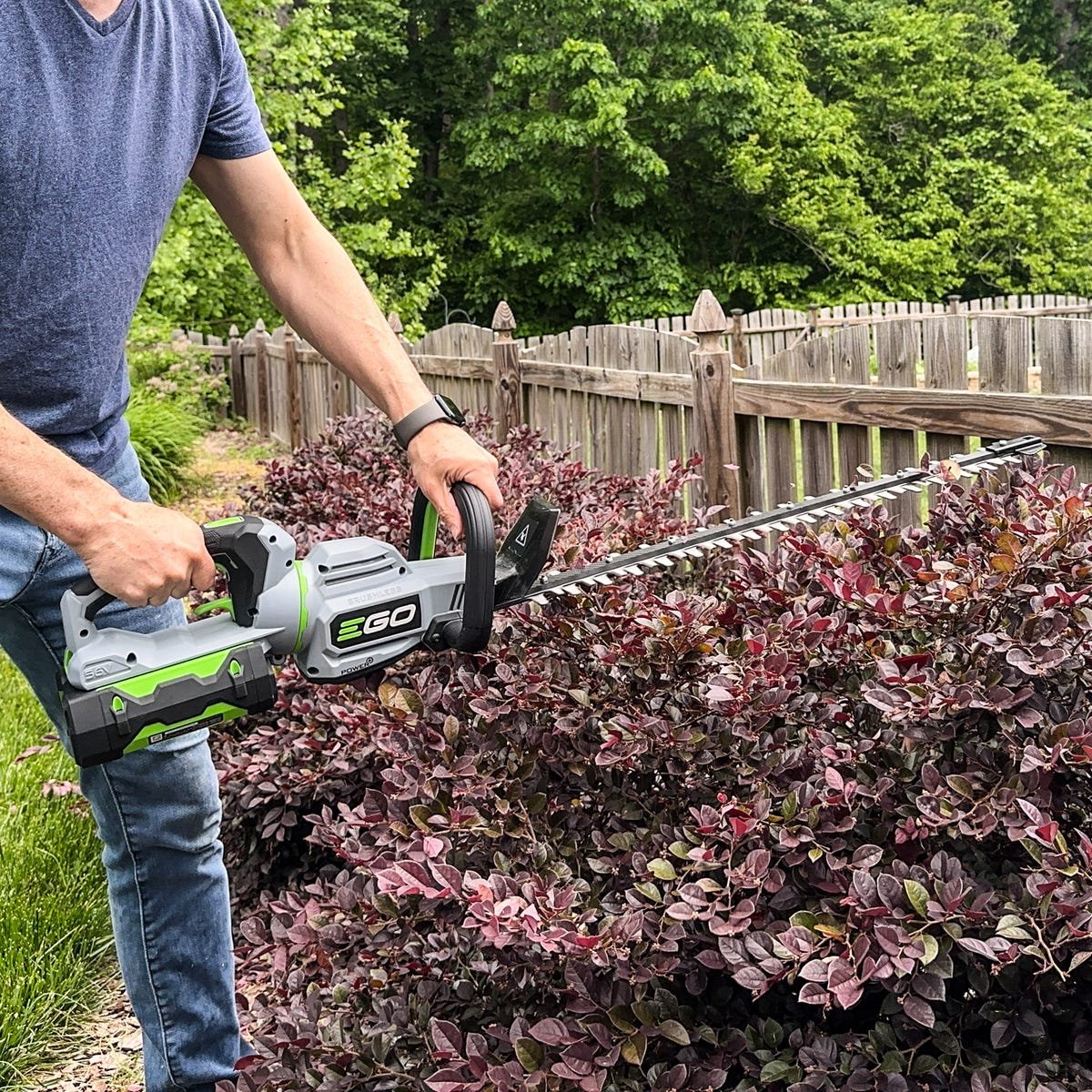
Shrub Trimmer Cleanup: Managing Cuttings After Detailed Shrub Work
Detailed shrub trimming can transform an overgrown planting into a clean, defined landscape feature, but the work is not finished when the cutting stops. Leaves, twigs, flowers, and small branches can collect across lawns, walkways, garden beds, and beneath the shrubs themselves. If they are left scattered, they can make a carefully maintained property look unfinished and may create additional cleanup problems.
A well-planned shrub trimmer cleanup is therefore part of the trimming process, not an afterthought. The goal is to collect debris efficiently while separating useful organic material from waste that should be removed from the property.
Why Post-Trimming Cleanup Deserves More Attention
Shrub cuttings vary considerably depending on the plant and the type of work performed. Fine hedge clippings behave differently from woody stems, while flowering shrubs may leave a mixture of leaves, petals, and small branches.
For homeowners managing different planting areas, selecting the right shrub trimmer is only part of the job. The cleanup method should also match the size and character of the cuttings.
One practical observation from landscape maintenance is that detailed trimming often produces more scattered debris than a quick height reduction. Precision cuts around corners, windows, pathways, and individual branches tend to leave material distributed over a wider area.
Start Cleanup by Letting the Cuttings Fall Naturally
One common mistake is trying to collect every clipping immediately after it drops. That can slow the job and cause unnecessary walking back and forth.
For larger shrubs, complete one manageable section before beginning cleanup. Allow the cuttings to fall naturally, then gather them once the entire section is finished.
This approach creates a predictable workflow:
- Trim one defined section.
- Inspect the shrub for missed or damaged branches.
- Move to the next section.
- Collect the accumulated cuttings.
- Perform a final ground-level inspection.
Working in sections is especially useful when shrubs border patios, fences, decorative stone, or delicate plantings.
Use a Tarp When the Shrubs Require Detailed Shaping
A lightweight landscape tarp can significantly reduce cleanup time when working on isolated shrubs or long planting rows.
Position the tarp beneath or immediately around the shrub before making detailed cuts. As the trimmer moves around the plant, much of the material lands on the fabric instead of directly on the ground.
This works particularly well for:
- Formal hedges near paved surfaces
- Foundation shrubs beside houses
- Small ornamental shrubs
- Plants surrounded by decorative mulch
- Shrubs growing beside drainage areas
For larger rows, however, repeatedly repositioning a tarp can become inefficient. In those situations, section-by-section ground collection may be faster.
Separate Fine Green Material From Woody Cuttings
Not every piece of shrub debris should automatically go into the same pile.
Fine leaves and soft stems can often be handled as green yard material, while thicker woody branches may need to be cut down further or placed in a separate collection container.
A simple sorting system is useful:
- Fine clippings: Composting or approved yard-waste collection
- Small woody stems: Cut into manageable pieces for yard-waste processing
- Large branches: Separate for municipal collection or appropriate disposal
- Contaminated or treated material: Follow local disposal guidance rather than adding it to compost
The U.S. Environmental Protection Agency notes that yard trimmings, leaves, and other organic materials can be composted, although acceptable materials vary by composting system and local program. (US EPA)
Sweep Hard Surfaces Before Moving to the Lawn
Shrub cleanup becomes more difficult when clippings are allowed to migrate across multiple surfaces.
After finishing a planting bed, inspect nearby sidewalks, driveways, patios, steps, and entry areas. Fine leaves can cling to textured surfaces, while small branches can become lodged along edging.
A good sequence is to clear hard surfaces first and then deal with lawn areas. This prevents a blower or rake from pushing debris back onto areas that have already been cleaned.
For small quantities, a stiff broom or hand rake may be enough. For larger volumes of lightweight material, a blower can speed up the final pass.
Protect Garden Beds During the Final Cleanup
Aggressive cleanup can undo some of the care that went into the trimming itself.
Avoid directing strong airflow straight into loose mulch, newly planted beds, or areas containing young plants. Lightweight mulch and topsoil can move surprisingly easily when subjected to concentrated airflow.
Instead, work from the outside of the debris pile toward the collection point. Short, controlled passes are generally more effective than holding the blower at maximum power throughout the entire cleanup.
The same principle applies when raking. Pull material away from delicate stems rather than dragging a rake repeatedly through the base of established plants.
Decide Whether to Compost, Mulch, or Remove the Cuttings
The best destination for shrub debris depends on its condition, volume, and the property owner’s waste-management options.
Composting Makes Sense for Suitable Organic Material
Clean leaves and smaller untreated plant trimmings can be useful additions to an appropriate composting system. The EPA explains that composting relies on organic material, moisture, oxygen, and an appropriate balance of carbon-rich and nitrogen-rich materials. (US EPA)
However, diseased or pest-infested plant material, herbicide-treated plants, and certain invasive weeds should not automatically be added to a backyard compost pile. Local composting programs may also have specific acceptance rules.
Larger Woody Material May Need Another Route
Thick branches are slower to break down and can take up considerable space. Depending on local services, they may be better suited for municipal yard-waste collection, chipping, or a designated green-waste facility.
Check local requirements before placing large quantities at the curb, because accepted materials and collection procedures vary between communities.
A Practical Cleanup Method for Long Shrub Rows
For a long hedge or multiple shrubs, efficiency comes from creating a repeatable route rather than simply working faster.
Use this sequence:
Trim → inspect → gather → sort → sweep → final inspection.
Trim the section first, then inspect the plant from several angles. Gather larger pieces by hand before using a rake or blower for finer debris. Sort material as you collect it instead of creating one large mixed pile.
This reduces double handling, which is one of the biggest sources of wasted time during landscape cleanup.
Common Shrub Trimming Cleanup Mistakes to Avoid
Several cleanup habits look efficient but tend to create more work.
Blowing everything into one giant pile: Large piles can become difficult to move and may scatter again in windy conditions.
Ignoring the shrub base: Fine clippings trapped beneath dense branches can remain hidden until they become wet and compacted.
Mixing branches with fine debris: Thick stems can make bags difficult to fill and may require additional sorting later.
Raking aggressively through mulch: This can remove decorative material along with the cuttings.
Waiting too long to clean paved areas: Foot traffic and wind can spread lightweight clippings well beyond the original work area.
A five-minute inspection immediately after cleanup can catch most of these problems before the job is considered finished.
Safety Still Matters During Cleanup
Cleanup involves different hazards from trimming itself. Sharp branch ends can be hidden beneath leaves, and powered blowers can send small pieces of debris toward nearby people or surfaces.
Eye protection is particularly important when using powered equipment around loose vegetation. OSHA’s landscaping guidance identifies eye injuries among the hazards associated with landscape work and recommends appropriate protective equipment. (OSHA)
Before clearing debris, make sure other people and pets are at a safe distance. When collecting branches by hand, gloves can also help protect against sharp or splintered material.
Final Inspection: The Step That Makes Cleanup Look Professional
The difference between adequate cleanup and professional-looking cleanup is often the final inspection.
Walk around the shrub from the same viewpoints people normally see it—from the sidewalk, driveway, windows, and entryway. Look for clippings caught in lower branches, pieces sitting on mulch, leaves around edging, and stray stems on nearby pavement.
Then check the shrub itself. A final visual pass can reveal a branch that was missed during trimming or a small cluster that needs one last cut.
The objective is not simply to remove every leaf from the property. It is to leave the planting area orderly, intentional, and ready for the next stage of landscape maintenance.
FAQ About Shrub Trimmer Cleanup
How should I collect shrub trimmings efficiently?
Work in sections rather than attempting to clean the entire property at once. Finish a defined trimming area, inspect it, gather the debris, and then move to the next section.
Can shrub trimmings go into a compost pile?
Some clean, untreated plant material can be composted. Avoid adding diseased plants, pest-infested material, herbicide-treated vegetation, or invasive weeds unless your local composting guidance specifically permits them.
Should I use a blower or rake after trimming?
Use whichever matches the surface and debris. A rake works well around garden beds and heavier material, while a blower can efficiently move lightweight clippings from hard surfaces and open lawn areas.
What should I do with thick shrub branches?
Separate woody pieces from fine clippings. Depending on their size and your local rules, they may be suitable for cutting into smaller pieces, municipal yard-waste collection, chipping, or another approved disposal method.
How do I keep mulch from scattering during cleanup?
Use controlled rake or blower passes directed away from the plant base. Avoid unnecessarily high airflow directly across loose mulch and exposed soil.
A Cleaner Finish Starts With a Better Workflow
Shrub maintenance does not end with the final cut. The way clippings are collected, sorted, and removed determines how polished the finished landscape looks and how much time the next maintenance task will require.
The most efficient approach is usually simple: work in manageable sections, contain cuttings when practical, separate woody material from fine debris, protect garden beds during collection, and always make one final inspection.
When cleanup becomes part of the trimming workflow rather than a separate chore, detailed shrub work becomes easier to manage—and the finished landscape looks deliberately maintained rather than merely cut back.