

Other Words for Rest in Peace: Respectful Phrases for Memorials
If you are looking for other words for rest in peace, the best alternatives depend on where the message will appear and what feels respectful to the person or family being remembered. Some phrases are simple and universal, while others are spiritual, poetic, or deeply personal. Choosing carefully helps your words feel sincere in sympathy […]

Formally vs Formerly: What’s the Difference?
Few word pairs cause as much confusion as formally vs formerly. They look almost identical, sound somewhat similar, and are often mistaken for one another in emails, articles, resumes, and everyday writing. Yet despite their similar appearance, these two adverbs have completely different meanings. If you’ve ever paused before writing formerly or formally, you’re not […]

Comradery or Camaraderie: Which Is Correct?
English is full of words that sound similar but differ in spelling, and one of the most commonly confused pairs is comradery or camaraderie. If you’ve ever written about teamwork, friendship, or strong workplace relationships, you may have wondered which version is correct. Is comradery a real word, or should you always use camaraderie? The […]

Stairwell vs Staircase: What’s the Difference?
If you’ve ever described a building’s stairs, you may have wondered whether you should say stairwell or staircase. The two terms are often used interchangeably in everyday conversation, but they don’t actually mean the same thing. Knowing the difference can make your writing more accurate, whether you’re talking about architecture, real estate, construction, or simply […]

Adjustor or Adjuster: Which Spelling Is Correct?
If you’ve ever filed an insurance claim or worked with legal or mechanical documents, you’ve probably seen both adjustor and adjuster. At first glance, they appear to be interchangeable, which leaves many people wondering which spelling is actually correct. The short answer is that both adjustor and adjuster are legitimate English words, but adjuster is […]
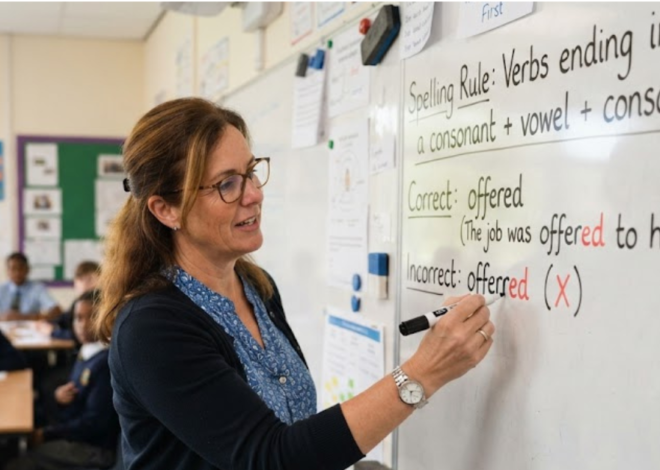
Offerred or Offered: Which Spelling Is Correct?
English spelling rules can sometimes be confusing, especially when verbs change form in the past tense. One mistake that appears surprisingly often is offerred or offered. Since some English verbs double the final consonant before adding -ed, it’s easy to wonder whether offerred might be correct. The answer is simple: offered is the correct spelling, […]

Thinking of You Hope You’re Feeling Better: Meaning, Tone, and When to Say IT
The phrase thinking of you hope you’re feeling better is a caring way to tell someone they are on your mind and that you want them to recover, feel calmer, or get through a hard time. It combines emotional presence with a gentle wish for improvement, which is why it works so well in texts, […]
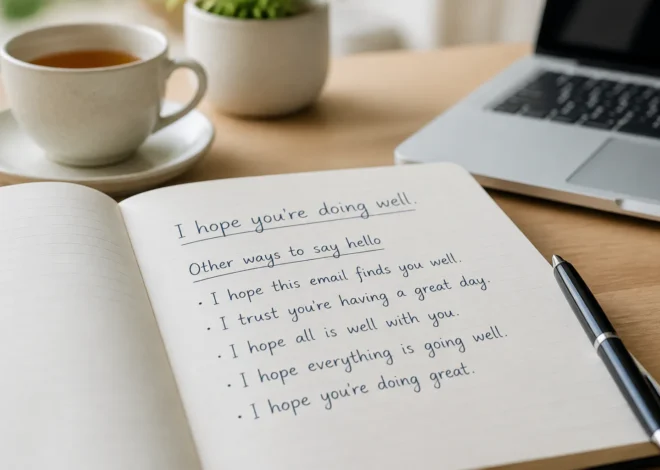
I Hope You’re Doing Well Meaning: Definition & Usage
“I hope you’re doing well” means I wish you well or I care about how you are. It is a polite, friendly phrase people often use at the beginning of an email or message, especially in professional communication. The line is grammatically correct, easy to understand, and generally warm in tone, but it can also […]
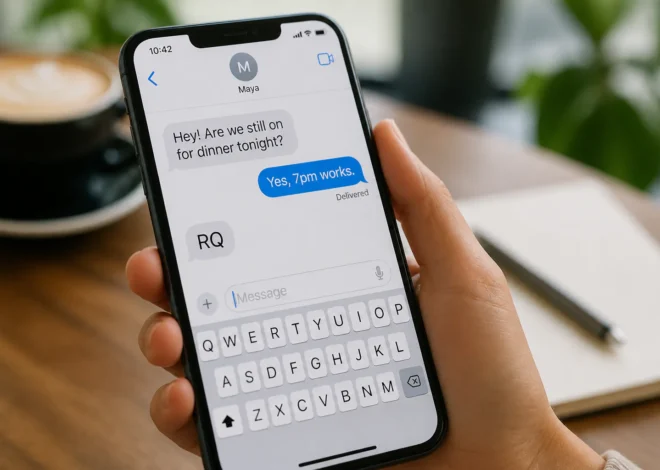
What Does Rq Mean: Meaning Explained
RQ usually means real quick in texting and casual online conversation. People use it to show that something will take only a moment, or to make a request sound lighter and less demanding. In other settings, though, RQ can also mean things like request, research question, respiratory quotient, or reputation quotient, so context matters. If […]
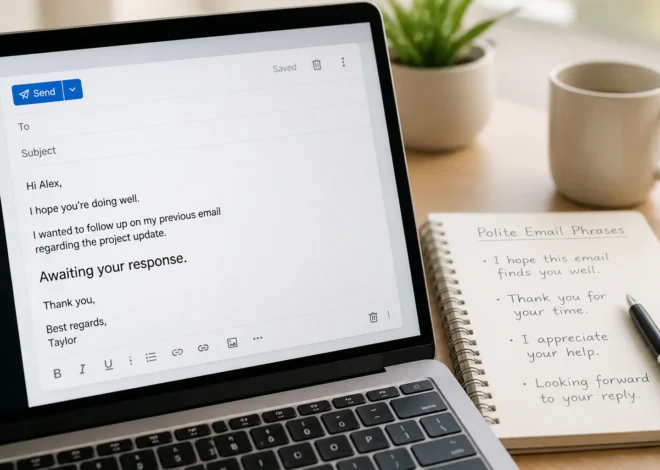
Awaiting Your Response: Meaning, Tone, and Proper Use
Awaiting your response means that the writer is waiting for a reply from the other person. It is a polite, professional phrase often used in emails, messages, and letters to show that a response is expected without sounding openly demanding. In practice, it works as both a closing line and a gentle reminder that the […]