
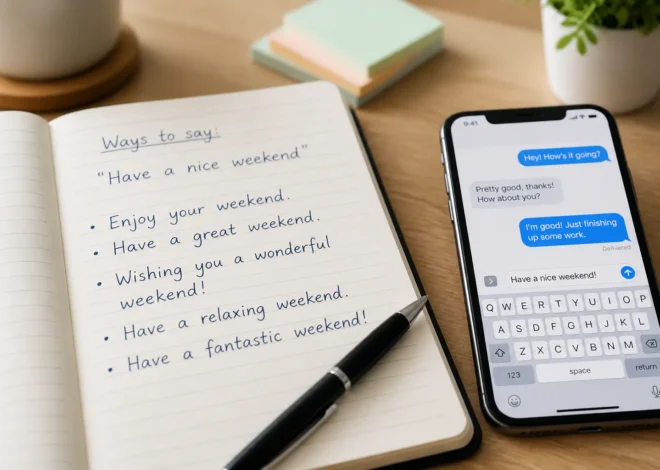
Have a Nice Weekend: Meaning and Proper Use
“Have a nice weekend” is a polite English phrase used to wish someone an enjoyable and relaxing weekend. People commonly say it at the end of a conversation, email, or message, especially on Fridays. It works in both casual and professional settings, which is why it is such a familiar part of everyday English. The […]

Cryer or Crier? The Correct Spelling Explained
Have you ever wondered whether it’s cryer or crier? Since both words sound exactly the same, it’s easy to see why many people aren’t sure which spelling is correct. Whether you’re writing about someone who cries frequently or referring to a historical town official, choosing the right spelling matters. The correct word is usually crier. […]

Grately vs Greatly: The Correct Spelling Explained
Have you ever paused while writing an email or essay and wondered whether it should be grately vs greatly? It’s a common question because the two spellings sound almost identical when spoken. However, only one of them is recognized in standard English. The correct spelling is greatly. The word grately is a common misspelling that […]
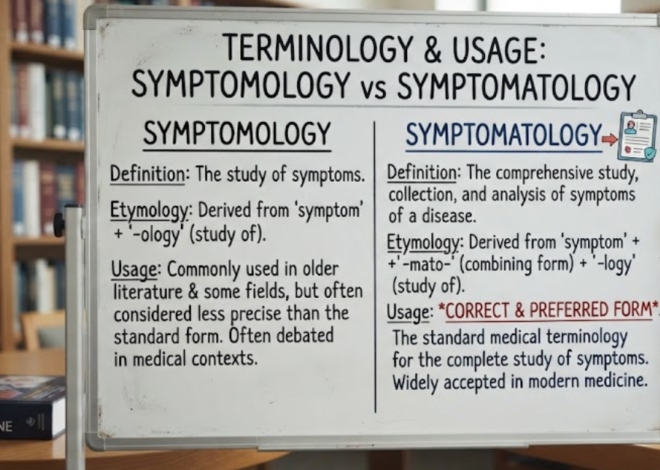
Symptomology vs Symptomatology: Which Is Correct?
If you’ve ever searched symptomology vs symptomatology, you’re not alone. These two words are often used interchangeably in everyday conversation, academic papers, and even healthcare discussions. Because they look and sound so similar, it’s easy to assume they’re equally correct—but that’s not entirely true. The preferred and more accurate medical term is symptomatology. While symptomology […]
Immaculate or Emaculate? The Correct Spelling Explained
Have you ever typed immaculate or emaculate into a search engine because you weren’t sure which spelling was correct? You’re certainly not alone. The two words sound similar when spoken quickly, making this a surprisingly common spelling mistake. The correct spelling is immaculate. While emaculate appears in online searches and informal writing, it is not […]

Emersion vs Immersion: What’s the Difference?
Have you ever wondered whether you should use emersion vs immersion? At first glance, the two words seem like opposites—and in many ways, they are. Yet because immersion is far more common in everyday English, many people aren’t familiar with emersion or assume it’s simply a misspelling. In reality, both words are legitimate English terms […]

Safe Trip Meaning: Definition & Usage
Safe trip meaning is simple: it is a friendly farewell phrase used to wish someone a safe, pleasant journey. People say it when someone is leaving for travel by car, plane, train, bus, or even a short local trip. In everyday English, it shows care, warmth, and concern without sounding too formal. The phrase is […]
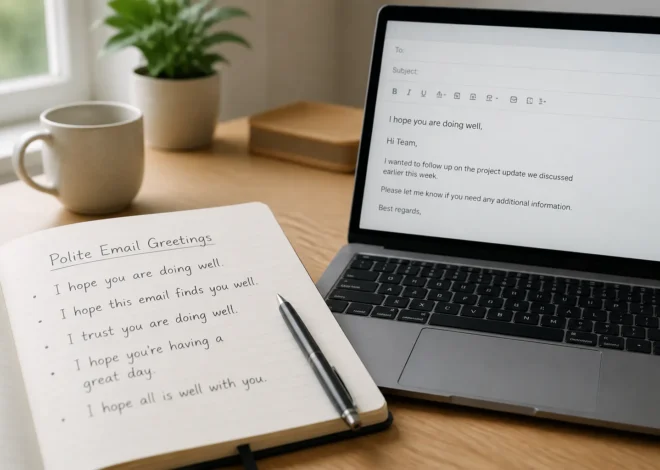
I Hope You Are Doing Well: Meaning, Usage, and Alternatives
“I hope you are doing well” is a common English phrase used to open emails and other messages in a polite, friendly way. It shows goodwill and signals that you care about the other person’s well-being, even if only briefly. You will see it often in professional communication, but it also works in casual messages. […]

So Happy for You Meaning: Definition & Usage
The phrase so happy for you means you feel genuine pleasure about another person’s good news, success, or happiness. It is a warm, supportive expression used to congratulate someone without shifting attention to yourself. In everyday English, people say it when a friend gets a new job, a family member shares exciting news, or a […]
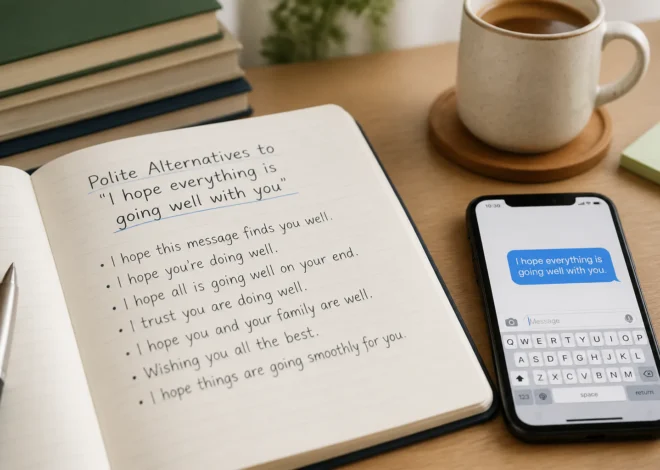
I Hope Everything Is Going Well with You: Meaning and Proper Use
“I hope everything is going well with you” is a polite English phrase used to show care and ask, in a gentle way, how someone’s life or situation is going. You will often see it in emails, messages, and conversations because it sounds warm, respectful, and neutral. It works in both professional and personal settings, […]